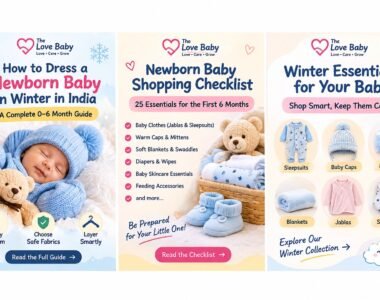
Preparing for a newborn is exciting, but shopping for the first few months can quickly become confusing. There are so many baby products available that it is easy to buy more than you need. A simple newborn baby shopping checklist can help you focus on useful essentials for clothing, changing, bathing, feeding and safe sleep.
This guide is designed for Indian parents preparing for a baby from birth to 6 months. Use it as a flexible starting point. Your baby’s needs will depend on the season, your home, your feeding plan, laundry routine and advice from your healthcare professional.
1. Newborn clothing essentials
Choose soft, comfortable clothes that are easy to put on and remove. Newborns grow quickly, so avoid buying too many pieces in the smallest size. Look for smooth seams, secure fasteners, comfortable neck openings and no loose strings or small decorations.
- Soft vests or bodysuits for everyday layering.
- Full-sleeved tops and comfortable bottoms, depending on the weather.
- One-piece sleepsuits that fit properly.
- Light layers for outings and changing temperatures.
- A few pairs of socks for cooler conditions.
Start with a practical outfit option such as the Love Baby cotton hosiery shirt and pant set. For parents who prefer to explore grouped essentials, see the Infant Advance Kit for 0–2 months and the Bump Bonanza Kit for 0–6 months. Check the current product descriptions to confirm exactly what each kit includes.
2. Nappy and changing essentials
Newborns need frequent nappy changes. Keep your changing supplies together in one easy-to-reach place, and wash your hands before and after changing. Choose a changing surface that is stable and never leave your baby unattended on an elevated surface.
- Newborn-size disposable nappies or reusable cloth nappies, depending on your preference.
- A small supply of soft wipes or clean cotton cloths.
- A washable changing mat.
- A lidded bin or a designated laundry bag.
- Spare clothes for unexpected changes.
If you are considering reusable options, explore the Love Baby soft muslin baby nappy set. Check the size, fastening method and washing instructions to decide whether it suits your routine.
3. Bathing and daily cleaning essentials
Newborn care does not require a large collection of bath products. Keep the routine gentle and follow your healthcare professional’s advice, especially while the umbilical cord area is healing. Prepare everything before bath time and never leave your baby alone near water.
- A soft, absorbent baby towel.
- Soft washcloths for gentle cleaning.
- A baby bath or a safe bathing setup suitable for your home.
- Clean clothes and a nappy ready before you begin.
- Only gentle skincare products that are suitable for your baby’s age, if needed.
See the Love Baby newborn towel and cotton muslin washcloth set as options for your bath-time collection. Wash new textiles before first use and follow the care label.
4. Feeding-time essentials
Feeding needs are different for every family. If you are breastfeeding, you may find a few washable cloths and comfortable clothing useful. If you are using expressed milk or formula, ask your healthcare professional for guidance on the equipment, preparation and cleaning routine that applies to your baby. Do not buy a large quantity of feeding equipment before you know what you need.
- Clean muslin cloths or burp cloths.
- A few absorbent bibs for when they are useful.
- Feeding equipment appropriate to your chosen feeding method, if required.
- A dedicated way to clean and store feeding equipment safely.
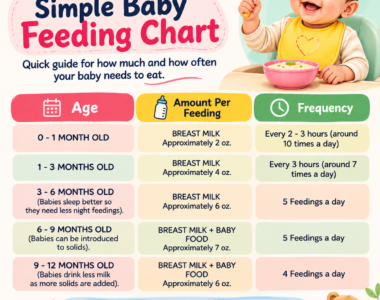
For everyday mealtimes and spills, explore Love Baby’s set of 4 cotton bibs. You can also read our Baby Feeding Guide: 0–12 Months for an overview of feeding stages and when complementary foods are generally introduced.
5. Safe sleep essentials
Plan your baby’s sleep space before the baby arrives. Use a firm, flat and level sleep surface with a fitted sheet, and place your baby on their back for every sleep. Keep pillows, quilts, comforters, soft toys, bumpers and loose blankets out of the sleep space. Room-sharing with a separate safe sleep space is recommended by many public-health authorities.
- A safety-compliant cot, crib, bassinet or other approved sleep space.
- A firm, flat mattress designed for that sleep space.
- A correctly sized fitted sheet.
- Simple, well-fitting sleepwear appropriate for the room temperature.
- A properly sized, non-weighted wearable blanket only if you choose to use one and it is suitable for your baby’s age and needs.
Do not use a baby product as a sleep surface unless it is specifically designed and approved for infant sleep. A wrapper, nursing pillow, swing or inclined product is not a substitute for a safe cot or bassinet.
6. Outings and travel essentials
For short trips, pack only what you are likely to need. A small baby bag can hold spare clothes, nappies, cloths, feeding supplies and a suitable layer for the weather. For car journeys, use an age- and size-appropriate car seat installed according to its instructions. Never hold a baby in your arms while travelling in a moving vehicle.
- Baby bag with separate compartments.
- Spare outfit and nappies.
- Clean muslin cloths and bibs.
- Weather-appropriate clothing.
- Correctly installed infant car seat for vehicle travel.
7. A simple first-six-month shopping checklist
- Clothing: a small rotation of vests, bodysuits, sleepsuits and weather-appropriate layers.
- Changing: nappies, changing mat, wipes or cotton cloths and laundry storage.
- Bathing: towel, washcloths and a safe bathing setup.
- Feeding: only the items needed for your family’s feeding plan.
- Sleep: approved sleep space, firm mattress, fitted sheet and suitable sleepwear.
- Travel: baby bag, spare clothes and an appropriate car seat for car travel.
- Health: keep your baby’s health records and vaccination appointments organised, and ask your paediatrician what else is needed.
25 practical newborn essentials to consider
Use this list as a planning guide, not a shopping requirement. Choose items that suit your home, baby’s needs and healthcare advice. You may not need every item.
- Soft newborn vests or bodysuits.
- Full-sleeved cotton tops.
- Comfortable bottoms or leggings.
- One-piece sleepsuits.
- Weather-appropriate outer layers.
- Soft socks for cooler outings.
- Newborn-size nappies or reusable nappies.
- Washable changing mat.
- Soft cotton cloths for cleaning.
- Baby-safe nappy disposal or laundry bag.
- Absorbent baby towel.
- Soft washcloths.
- Safe baby bathing setup.
- Gentle, age-appropriate cleanser if needed.
- Clean storage for bath-time essentials.
- Muslin or burp cloths.
- Bibs for feeding-time spills.
- Feeding equipment appropriate to your feeding plan, if needed.
- Equipment-cleaning supplies suited to feeding items, if needed.
- Approved cot, crib or bassinet.
- Firm, flat mattress designed for that sleep space.
- Correctly fitted sheet.
- Suitable, well-fitting sleepwear.
- Baby bag for outings.
- Age- and size-appropriate car seat for vehicle travel.
8. Shopping tips for first-time parents
- Buy essentials first and add products as your baby’s needs become clearer.
- Check the age and size range on every product page.
- Read fabric, washing and care instructions before purchasing.
- Choose products that are practical to clean and easy to use.
- Do not assume a product is safe for sleep, feeding or travel unless it is specifically designed and labelled for that purpose.
- Keep receipts and product packaging until you are sure the items are suitable.
Frequently asked questions
What should I buy before my newborn arrives?
Start with a small clothing rotation, nappies, changing supplies, a towel, washcloths, feeding items suited to your plan and a safe sleep space. You can buy additional items after you understand your baby’s routine.
How many newborn clothes should I buy?
There is no single number that works for every family. Consider how often you can do laundry, the season and how quickly your baby is growing. A small, washable rotation is usually a sensible starting point.
Do I need to buy every item in a newborn kit?
No. Compare the kit contents with what you already own and your actual needs. Check product descriptions, age suitability and care instructions before ordering.
Helpful reading and trusted guidance
For feeding information, visit our Baby Feeding Guide for Indian Parents. For safe-sleep recommendations, refer to Health Canada’s Safe Sleep for Your Baby guidance and the American Academy of Pediatrics’ safe-sleep guidance.
Important: This checklist is for general planning and is not medical advice. Ask your paediatrician or healthcare professional about your baby’s individual health, feeding, sleep and travel needs.
Explore newborn essentials at The Love Baby: browse practical baby-care products and check the individual product pages for current details, sizes and availability.